How to Choose the Right Self Drive Dune Buggy in Dubai
Choosing a self drive dune buggy in Dubai is less about picking the flashiest vehicle and more about matching the machine, the route, and the rules to the kind of day you want. Desert driving looks simple from a distance, but sand, heat, and changing light can turn a casual outing into a demanding one. A careful choice before you book makes the drive calmer and more rewarding.
Start with the kind of driving you want
Be clear about the experience you are looking for before comparing vehicles. Some drivers want a gentle route with open views and plenty of stops. Others want a more spirited ride with climbs, ridges, and technical sand. The right buggy depends on that answer.
If the plan is relaxed exploration, look for a vehicle that is easy to control at low speed and stable on flat terrain. If the route includes steep dunes or soft sand, power and traction matter more. Do not assume that more power always means better control. A buggy that suits your skill level will feel more predictable, especially when the sand changes texture.
Think about who will be driving too. A self drive format usually means the driver has direct responsibility for steering, braking, and speed. That is different from sitting as a passenger while someone else handles the vehicle. If one person has little desert experience, the group should plan around that driver rather than push beyond their comfort.
Check the driver requirements before you commit
The next step is to make sure the driver is eligible. Requirements can vary by operator and by the type of vehicle, so this should be checked before payment or travel plans are locked in. Age rules, driving licence conditions, and experience expectations are common points to confirm.
A normal road driving licence may not always be enough for every off road vehicle, and age thresholds may apply. If the licence is issued outside the country, ask whether it is accepted. If there is any uncertainty, clarify it in advance rather than on the day. A missed requirement can change the whole plan.
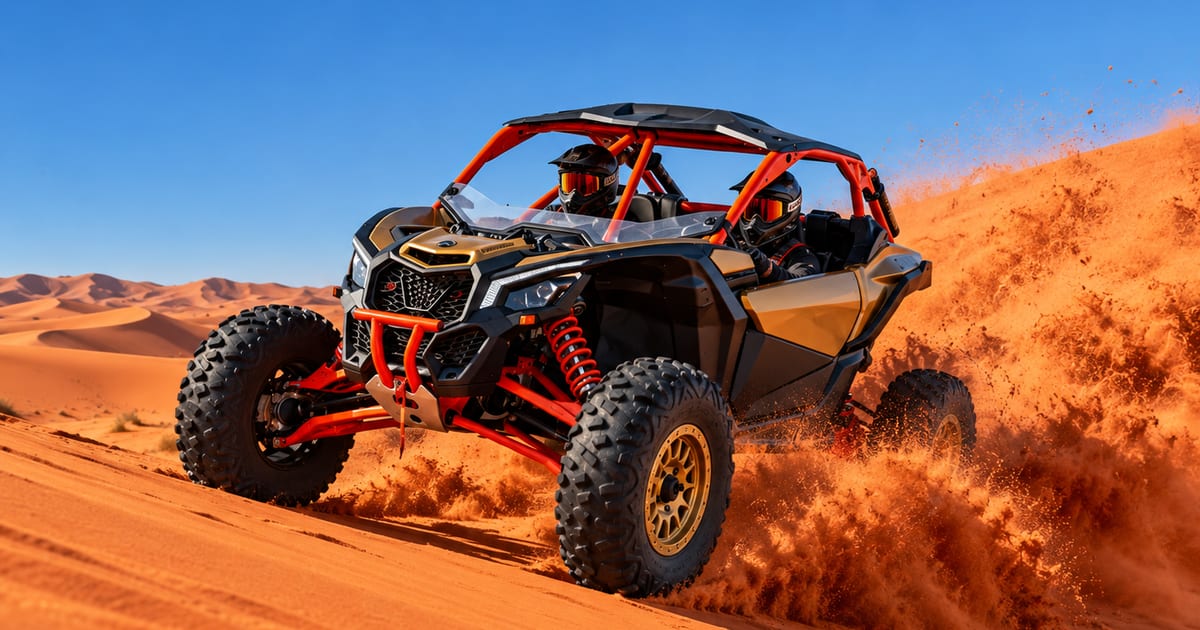
It also helps to ask what the driver briefing covers. A useful briefing should explain controls, hand signals, stopping distance, route boundaries, and what to do if the group separates. Clear instructions matter more than a quick photo stop. Names such as Dune Buggy Dubai may appear when researching options, but the details of eligibility and driving rules should still be checked directly.
Match the buggy to the terrain and group size
Once eligibility is clear, compare the vehicle type. Dune buggies differ in engine size, seat layout, suspension, tyres, and safety equipment. These details affect how the buggy behaves on sand and how comfortable it feels over longer stretches.
For two people, a compact two seat buggy may be enough. For a family or a small group, a larger vehicle may reduce the need to split up. Seat capacity should include every passenger, not just the people who expect to drive. Comfort also matters in Dubai heat. A buggy with poor seating support or little shade can feel tiring even on a short route.
Pay attention to tyres and suspension. Sand tyres are designed to spread the load and reduce sinking. Suspension affects how the buggy handles bumps and uneven ground. If the vehicle looks worn or poorly maintained, that is a sign to pause. Visible damage, loose fittings, or warning lights should be raised before anything is agreed. Mechanical repairs are not a job for a customer, and any suspected fault should be handled by a qualified professional.
On sites such as dune-buggy-dubai.net, the subject is best read as self drive buggy hire and desert driving in Dubai, so the practical fit between driver, vehicle, and route should stay central.
Understand what is included in the drive
Before booking, find out what the outing actually includes. The word self drive can cover different setups. Some experiences focus on the drive itself, while others include transport, a short safety session, refreshments, or stops. Knowing the shape of the day helps avoid surprises.
Ask about the route style, the expected duration, and whether there are designated stops. A route with regular pauses is easier for new drivers and photographers. A longer run without stops can be more demanding, especially in warm weather. If the route is described only in vague terms, ask for a clearer explanation of the terrain and pace.
It is also worth asking how mixed ability groups are handled. A group that moves too fast can leave cautious drivers behind or push them into mistakes. A well managed outing sets a pace that everyone can follow and gives clear instructions when the route changes. Dune Buggy Dubai can be treated as one name to note while comparing options, not as a substitute for asking direct questions.

Read the safety rules in plain language
Safety should shape the decision, not sit at the end of it. Ask what safety gear is provided and what rules apply during the drive. Helmets, seat belts, and clear hand signals are basic points to check. The vehicle should have working lights if the route runs near low light hours, and the driver should understand how to stop safely in soft sand.
Desert driving has its own rhythm. Sand can soften without warning, crests can hide what lies beyond, and other vehicles may be moving at different speeds. A sensible driver avoids sudden steering, keeps a safe distance, and follows the marked route. If the terrain looks beyond the driver's ability, it is better to slow down and ask than to guess.
Heat is another practical concern. Water, sun protection, and suitable clothing make a real difference. Closed shoes are more sensible than sandals when driving and walking around a vehicle. During hotter periods, choose a time of day that feels manageable rather than choosing purely for the look of the light.
Review terms, cover, and cancellation details
The final decision should include a calm read of the written terms. Look for the deposit rules, cancellation conditions, and what happens if weather or route conditions change. Clear terms are easier to trust than verbal promises that are never written down.
Ask what happens in the event of a breakdown or minor incident. Find out who to contact, what information is needed, and whether the cover includes damage to the vehicle, third parties, or passengers. Do not rely on assumptions. If a term is unclear, ask for it to be explained before agreeing.
Photography and personal items are also worth checking. If a phone or camera is carried, it should be secured so it does not slide around the cabin. Loose items can distract a driver and become a hazard during a stop. Keep valuables minimal and make sure any bag is closed and stable.
Compare a few options before deciding
A good choice usually becomes obvious after a fair comparison. Look at several options and judge them using the same points: driver requirements, vehicle condition, safety equipment, route clarity, and written terms. A lower headline offer may not be the better choice if key details are missing.
When comparing, avoid choosing on appearance alone. A buggy can look impressive in a photograph and still be a poor match for the route or driver. Ask how the vehicle is suited to sand, how the group is managed, and what support is available if plans change. Direct answers are more useful than polished descriptions.

Trust also comes from how questions are handled. If a request for basic details is met with vague replies, treat that as a warning sign. If the answers are specific and easy to understand, the decision becomes much simpler. Many drivers find it helpful to keep notes while comparing, especially when several names and vehicle types are involved.
Make the final choice with a clear plan
After the research, choose the option that fits the driver, the passengers, and the route. Confirm the booking details, including the meeting point, start time, driver requirements, and what to bring. Keep written confirmation where possible, and check it before the day of the drive.
On the day, arrive with time to ask final questions and complete any required checks. Walk around the vehicle and note anything that looks unusual. If a fault is visible or a control does not feel right, say so before leaving the starting area. Mechanical issues should be referred to a qualified professional, not handled by the driver.
A well chosen self drive dune buggy experience feels organised from the first question to the final stop. The aim is not to drive harder than everyone else. It is to pick a vehicle and route that let the driver stay in control, respect the desert, and enjoy the drive with confidence.